
Event Networking: What Works and What Fails Big Time
Many state that 'your network is your networth'. OK... having a network is important, but you don't get there purely through unlimited connecting, we believe. Especially at events, where 'the magic' happens, finding that business "match" is a matter of timing, luck, good intentions, and a bit of strategy. We asked epic professionals, those who collectively attended 100s of events, how they approach networking. Read on for their tips on what to do and what not to...
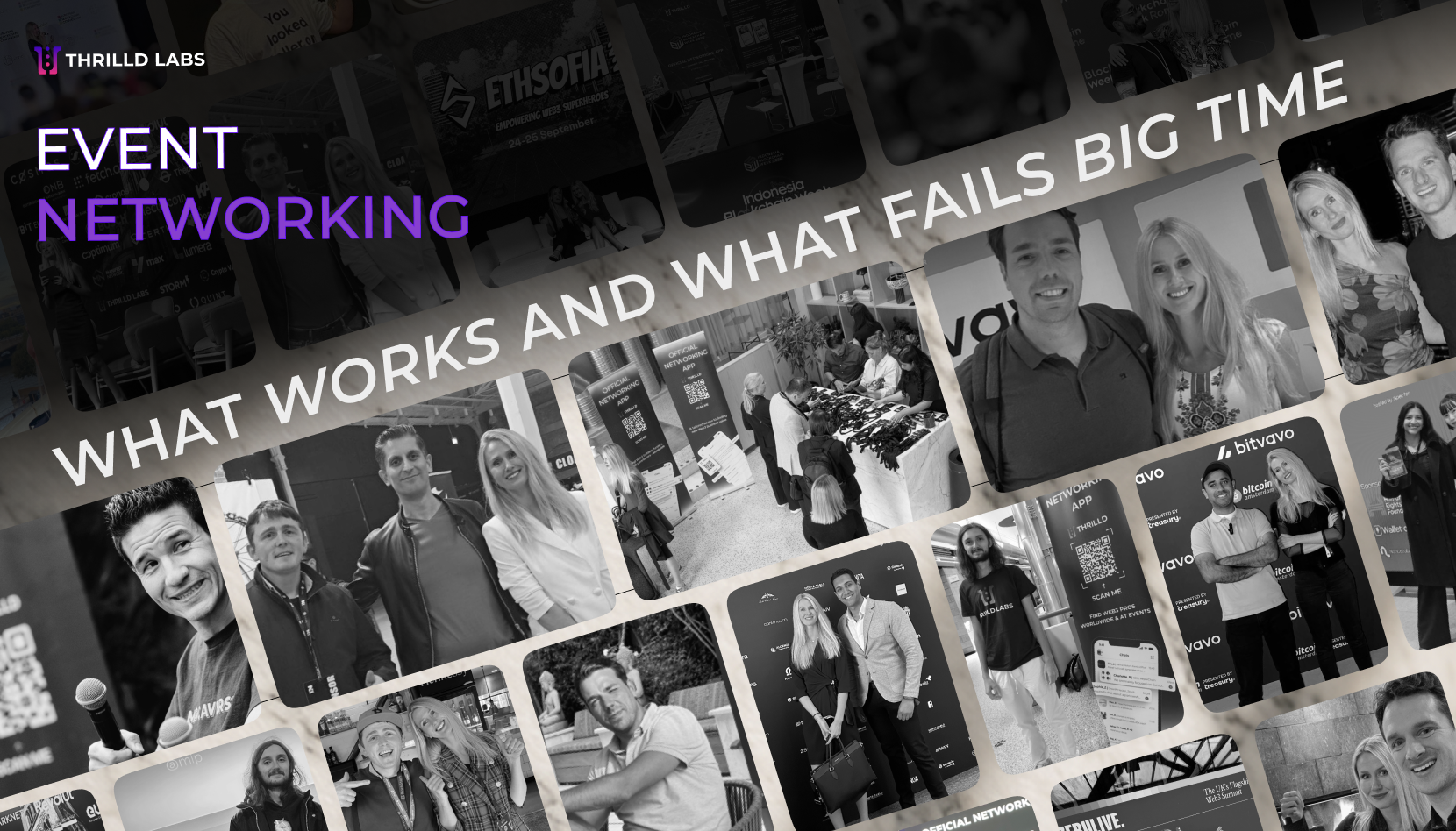
Industry events in our experience:
Hundreds of people and pretty packed (travel) schedules.
Stage "performances", nerves. Somewhat hyped coffee chats.
Intros and checking the networking app. Side events and parties. Good and bad ones.
Walking into Web3 and adjacent events is like entering a temporary world full of buzz and opportunity. Opportunity oftentimes grasped not in the last place thanks to networking.
Most senior professionals know, either instinctively or by experience, that good networking isn’t much about collecting the most business cards though, nor leaving with the longest list of handles / new connections.
At Thrilld Labs we believe that good networking is about meeting the right people at the right time.
In other words, it's giving those new and old relationships a reason to continue after the event: via quasi-immediate business opportunities, through the course of time, or otherwise with mutual value added.
“Many state that ‘your network is your net worth”, Alexandra, founder of Thrilld Labs noted. “Fine. But the expression makes me cringe. Having a network is important, but you don’t get there purely through unlimited networking. You risk becoming transactional and extractive. That’s also why we put together this article, asking actual bullet-proof advice from real people who are known to be successful and sincere, both from a business and human perspective.
I’m convinced that one singular person, or connection so you will, can generate more value, for an individual, business or in the aggregate, than dozens of shallow connections combined. Yes, I am familiar with all sorts of networking theories, including the power of weak ties, Dunbar’s number, and so on. But finding that REAL business “match” is all a matter of timing, luck, and a bit of strategy. This is also why we started with Thrilld in the first place: making connections globally more fair ánd efficient, online and at events, so that having a bit more opportunity, a bit more clever opportunity, can help people make a difference”.
Thus, tapping into some of the best networkers in the space, find below some, we believe, super clever tips from the industry pros who have attended hundreds of events collectively.
How to break the ice
Walking in a room filled with new people? A good conversation doesn't always need a clever opening line. Human decency is simply key. As Paul Democritou from The Crypto Factor puts it: “Speak to people like normal human beings. Nobody enjoys being approached by a walking LinkedIn profile”.
Brilliant.
Then, Zuza Zuber founder and somatic coach noted, “So many people are trying to sell themselves and catch as many connections as possible, but these never convert into a relationship because the conversation was terrifyingly dry, boring and self-centered”.
When everyone is trying to pitch themselves or their companies, a conversation can quickly end up becoming a competition. Instead, creating space for the other person is oftentimes highly appreciated and very business clever as well.
As Zuza suggested: “don’t ask ‘yes or no’ questions, always try to start with ‘what’ or ‘how’ instead".
And do not underestimate a compliment that is well-meant. Nupur Biswas from Proof of Talk recommends: “I truly enjoy talking and meeting new people and hence it has always been easy for me to approach and start a conversation with anyone. Compliments are your best ice breakers! Genuine ones though”.
Zafercan Cakir (organiser of Cosmoverse and leading Beyond Ventures) noted a simple tip: “Provide value to others”.
How? Lejla Muratcaus (events producer and having worked with many industry events) has an idea:
“[...] Actually be useful. Introduce people who should know each other, share a contact, point someone towards the right person or simply help them navigate the room. You stop feeling like you’re “networking” and people remember you for something much more valuable than a business card”.
Hasan Surtiwala Chairman at Penning, said: “It really doesn’t require much to just connect someone you’ve met to someone you know, if that person can benefit from it. Of course, if it’s a business transaction and it’s your model to cultivate from connections, then by all means make it formal. Otherwise, do whatever you can to help, because reputation is everything during conferences and networking events”.
Then, a real conversation, avoid the pointless pitch
Not every person you meet needs to immediately know what your company does.
In fact, we’d argue that oftentimes it’s better if they don't. Likely your business is not of immediate interest to 80% of the people you meet and pitching it to every person in the room/conference hall might arguably be a waste of time. On both sides.
An interesting conversation is not, however.
Nupur’s approach is to get to know someone informally first and talk business at the end. It makes the interaction feel much more natural and gives you a chance to actually understand the person behind the job title.
And this goes hand in hand with Maria Eneva-Olm’s, Biz Dev at Trever, advice to ‘listen more than you talk’. She said: I'd rather spend a conversation figuring out whether this person actually needs what I'm selling, and what exactly they need, than deliver a monologue. That's the only way to know if there's a real fit.
Luciano Ricci from Thrilld Labs said: “be interested, not interesting”. The best chats happen when you find out what the other person cares about, rather than immediately pitching yourself.
Candice Teo, founder of Espoir PR & Communications, similarly has a practical question for getting there: “My favorite question to ask someone is what their objectives are for the conference/event. This gives me insights into what is important to them and immediately lets me know if there is an alignment. Time is precious, and everyone is overwhelmed, so this helps in giving everyone back their time if there’s nothing to progress.”
What not to ask is equally important.
Candice has some more great tips:
“Don't ask intrusive and irrelevant questions. Respect that this is still a professional setting and there are certain degrees of privacy that needs to be maintained, especially in this industry. There's no need to ask them where they are from (people are from different origins and pushing a stereotype is not classy), where they live or how old they are. The conversation does steer to a little more on the personal side at times so when relevant to ask, do so with courtesy and consideration. "If you don't mind me asking" is a great way to segway in. Don't push if you sense hesitation”.
Then, if you pitch, pitch properly. In our opinion, that is consider the background of the other person, so you can tailor the pitch a little bit, and speak clearly.
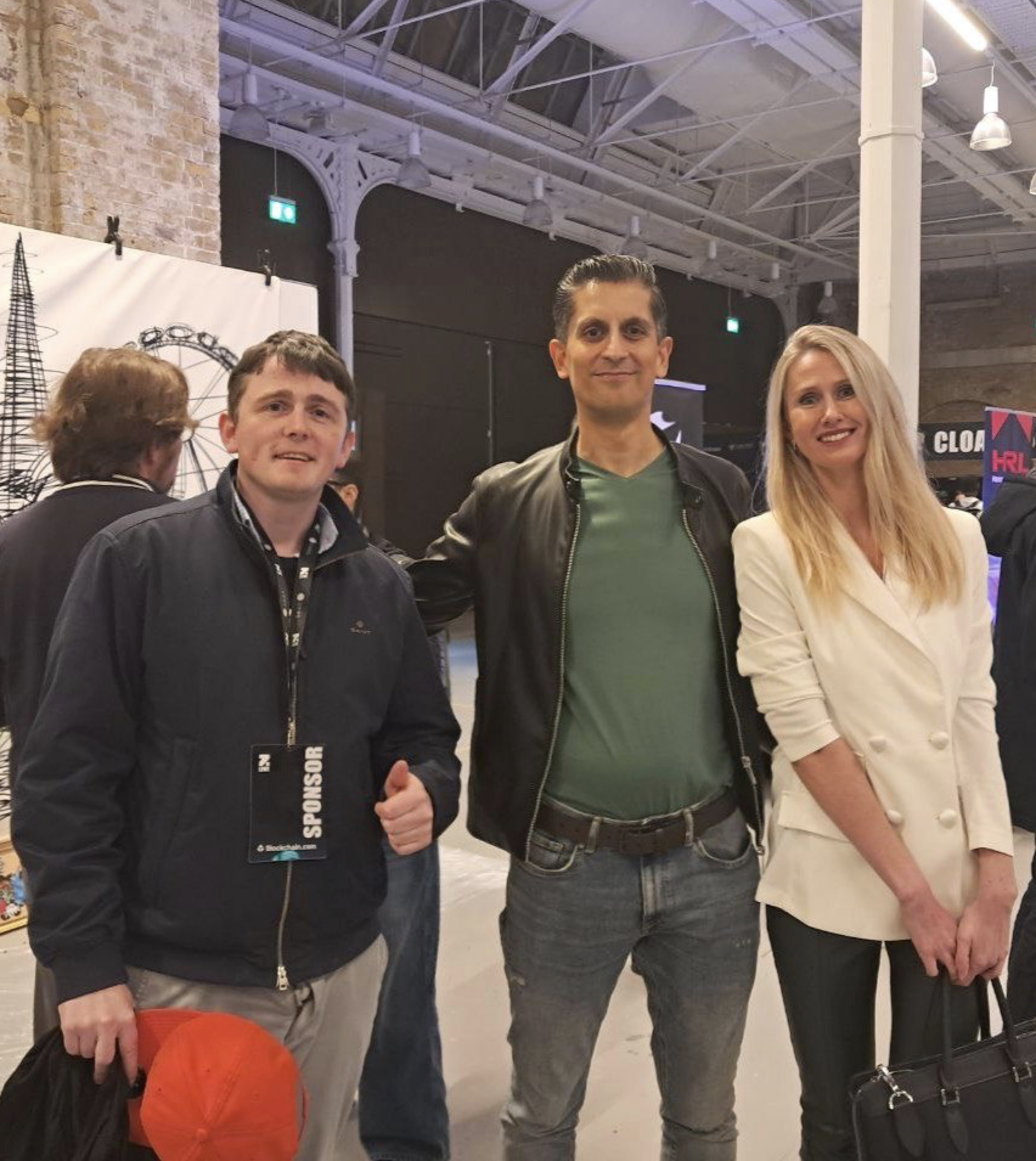
As Owen Healy, the director of Owen Healy Blockchain Talent, points out: “Tell me what your tech does, not how it works”.
And when the inevitable “So what do you do” comes up, Candice recommends being prepared: “Practice how to properly introduce yourself and your company. Clarity is key so that people know exactly what your value is and what you are looking for.”
She adds: “Oftentimes, there’s a struggle to explain exactly what your company offers and why it matters. Check in with your comms team so that you know exactly how to describe it in a way that people will understand immediately.”
Talking with a potential investor and do they ask what you do?
We suggest having a 30-second elevator pitch ready, or even the 11-second version if the room is very crowded.
Know whom to meet, even before arrival
Let’s take a step back. Smart networking does start before the event, or at least early.
Hasan said: “Social media is your friend when it comes to events and conferences, and getting those leads and connections in by posting that you’re attending. He added: “Download the networking app, reach out to people and get those meetings into your calendar. Buyers and investors get a lot of meeting requests, so get in there early to stand out. If someone sees you on social media and in the app, they’ll remember you much better”.
Once the attendee list or event agenda list becomes available, we recommend you take some time to identify the people who are relevant and/or interesting to you.
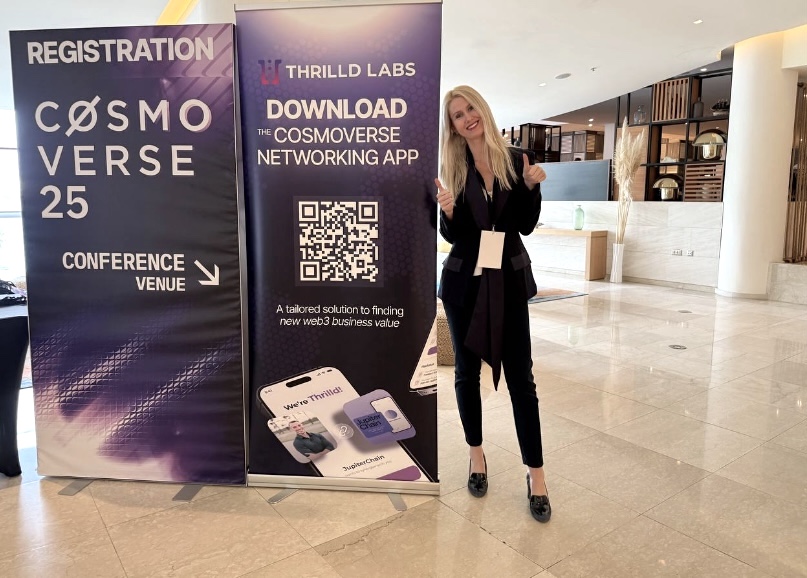
Then prioritise.
As Maria recommends, building a simple list of target contacts can make a huge difference. She said: “As soon as sponsor and speaker lists are out, I use AI to research each company: what they do, how they'd benefit from working with us, and I rank them by priority. When the networking app goes live a few weeks before the event, I add the rest of the attendees who fit my ideal client profile into the same list”.
What do event organisers themselves say about this?
Colin Smith, CEO of BlockStart Scotland, noted: “Try and identify people you’d like to speak to in advance of attending. Put a post on your socials to let others know you’re attending. When you get there, try to make the most of your time, and book in a few meetings over coffee.
The more relaxed the setting, the more fruitful the conversations are, based on my own experience.”
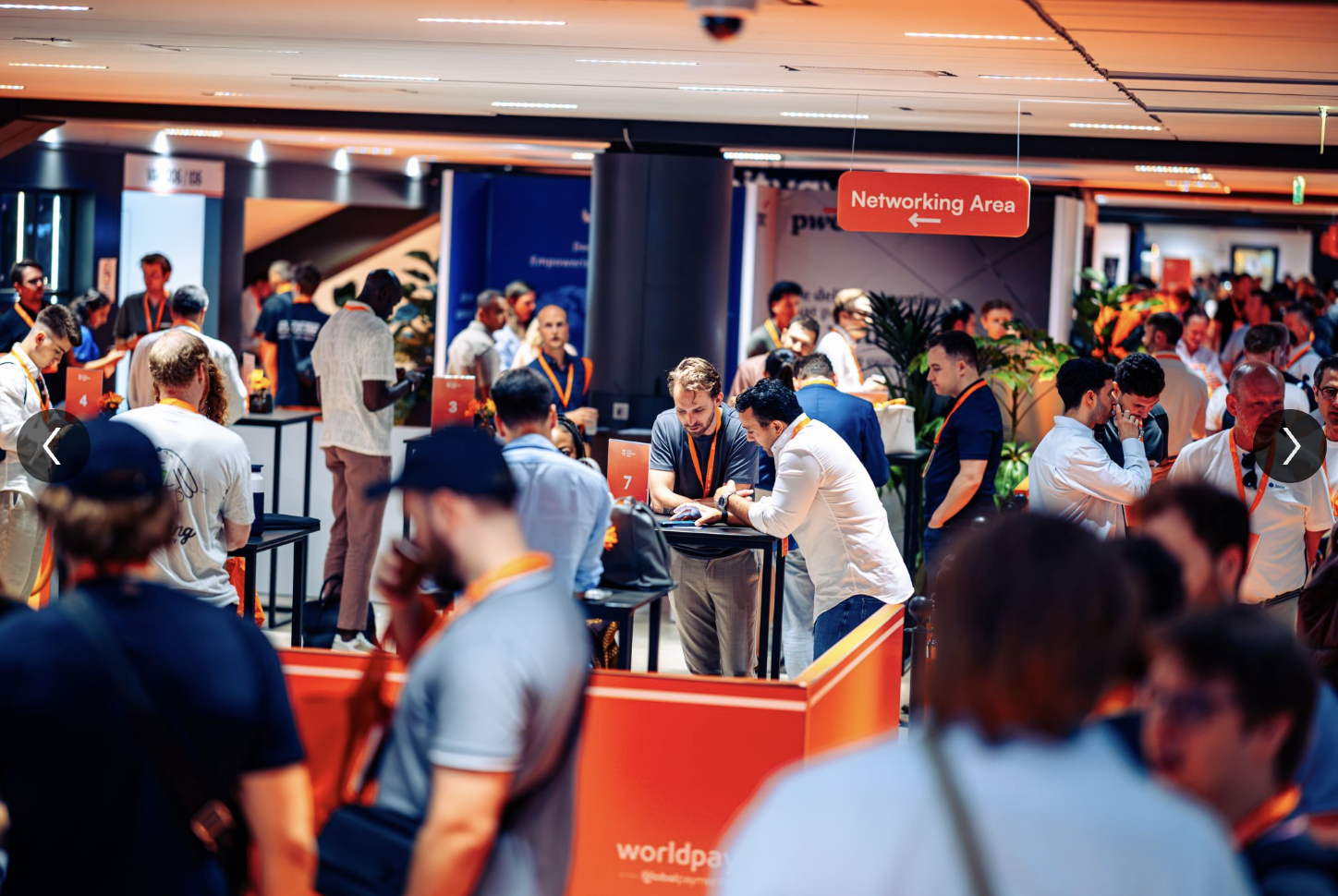
Christiaan Jimmink from Dutch Blockchain Week also agrees that networking shouldn’t wait until the event begins.
He said: “Don’t wait. Check in advance who will be there, reach out to the people you really want to speak to, and schedule a few meetings beforehand.
For me, the best events these days already start several days before I actually walk through the door”.
And they have a point.
When the event starts, you don’t want to spend the first few hours roaming around and wondering, “Who should I approach?” . Therefore (and for other reasons), if an event uses Thrilld, you can discover who is attending, schedule meetings with them, and start conversations before you’re even at the venue ;-)
Said that, efficiency matters. So, so much.
As Boris Jurczyk from 21Nexus puts it: “a full calendar beats wandering, yet with each meeting request, ask yourself: is this topic relevant to me? Accepting every conversation out of politeness erodes the value of your time at an event”.
“Being selective isn’t necessarily rude”, Alex said, “it’s just the very human implication of having constraints and being respectful of one another’s time”.
Endless (virtual) hand shaking? Please not
Said that, we believe it’s not needed to meet 100 people daily..
Boris offers a particularly simple tip: arrive early. “During that first coffee, when people are only slowly trickling in, everything is still calm and easy to navigate. It's the perfect moment for low-pressure small talk with chance acquaintances”.
Five conversations, either with those you’ve already met (as Boris put it: “make time for at least a brief chat with contacts you already know. It keeps the relationship warm and up to date”) or with new folks, can be far more valuable than collecting dozens of new contacts.
And where do you chat, on-site?
We agree with Boris. He said: “Staying outside the lecture rooms and keeping an eye out for interesting people to talk to usually pays off more”.
Owen also points out how the size of an event can essentially change the networking experience. He said:
“Bigger events have more of a speed dating vibe. At smaller events, you get a much better chance to connect with key industry players. Meeting people irl builds trust - FACT. People want to know who you are, not what you do. When all attendees spend 2-3 days at the same venue, you get to know fellow attendees on a much deeper level. You get insights that you'd never get on a zoom call e.g. who'll be hiring, who'll be laying off people etc. You also get to know about what different teams are working on before it's common knowledge”.
The goal of networking isn't to maximise the number of connections. A goal could be to maximise the quality of engagements. Simply put, go beyond becoming “connections” whose faces one barely can put a name or story to.
End of Day 1? Hello, side events
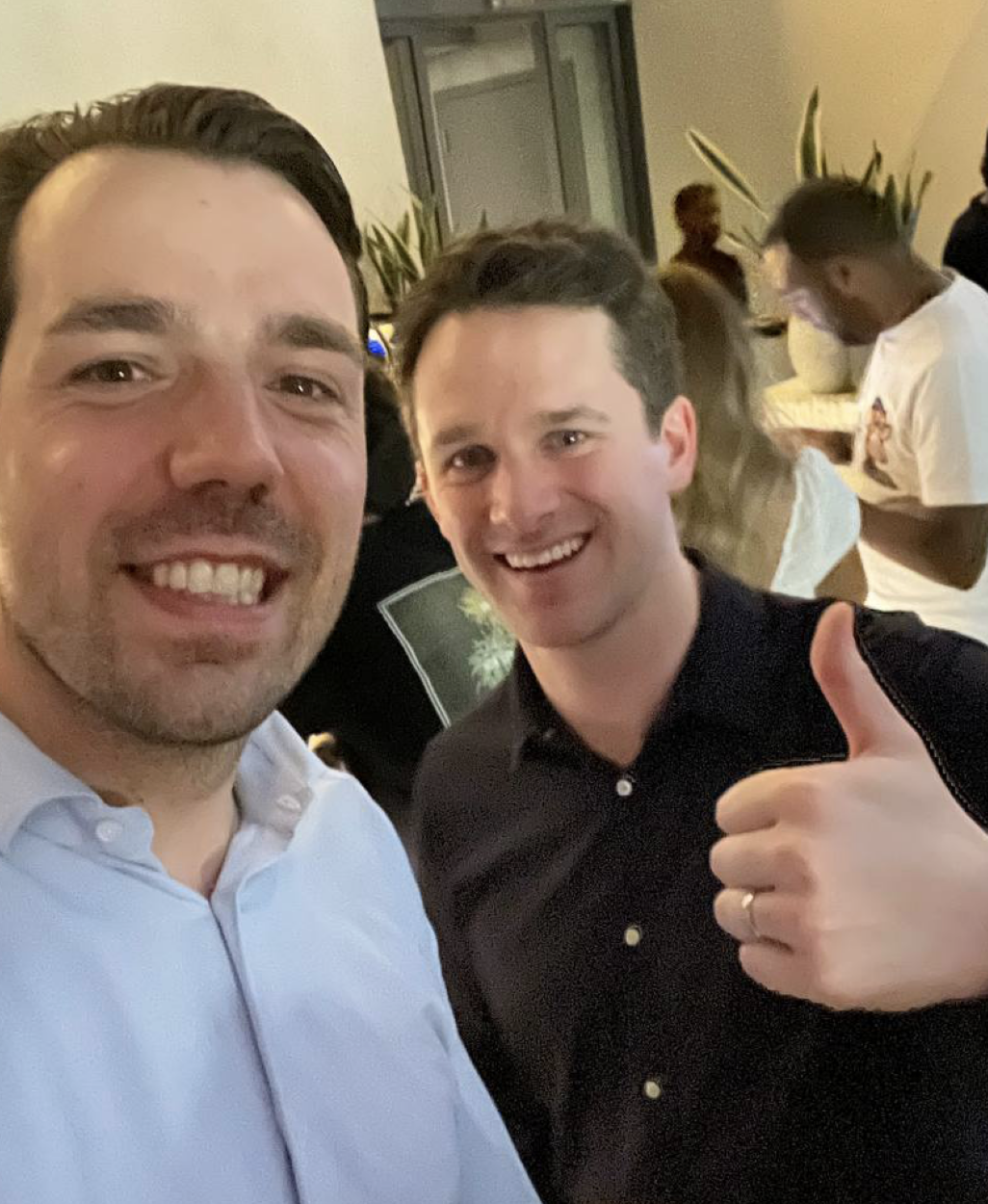
Ask people what they’re doing after the main event. Nupur recommends simply asking where people are heading next and, when it feels right, joining them. People are often happy to invite others along, and the more, the merrier…..
Side events, dinners, meetups, and smaller gatherings often create a more relaxed environment where conversations can go beyond the endless “What do you do?” exchange. Some of the best connections happen spontaneously and out of the blue.
Owen noted that “Bigger events have more of a speed dating vibe. For most, side events are far more effective. Some of the best conversations I've had were in the smoking areas and phone charging stations. People tend to be more relaxed there.”
Maria said: “Identify what side events are happening and register early. And ask your partners and clients directly if they're hosting something; those events are rarely public, and they're usually the best ones in town”.
Boris both make a similar point: “Ask early about any side events and secure your spot. Some of the most interesting encounters happen there, not on the main floor”.
Hasan said: “Side-events are where you will make the most intimate and closest connections, even friends, and where you can potentially follow up with someone you might’ve met during the one-to-one “speed-dating” meetings.”
Consensus here… go beyond that main conference.
Make yourself memorable (and remember others)
“Dress to be remembered”, as Jana Faschinger, from VI3NNA Congress, puts it.
Aakansha Yadav, from Thrilld Labs said, “The trick is not to manufacture a persona. But rather to be recognisably yourself.”
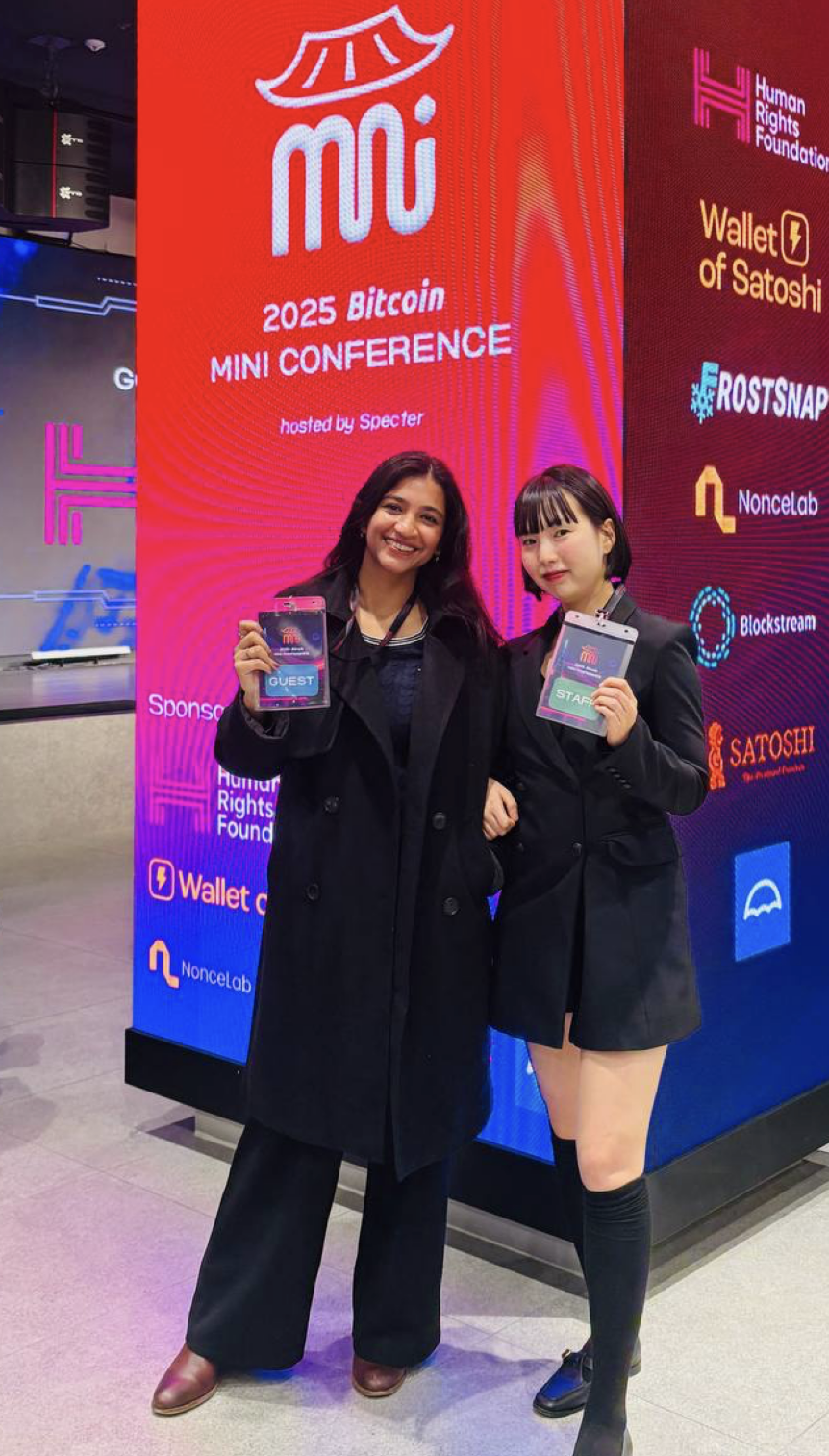
Being memorable doesn’t necessarily mean wearing the loudest suit or having the loudest voice in the room. It can be a strong opinion, an interesting story, and, importantly, humor.
Hasan puts it rather directly, and we agree: “Dress to impress. In short, just dress like you give a damn, and not like you’d rather wanna be somewhere else. You don’t have to wear a suit, but also don’t be sloppy.”
And then there is the cigarette test, to which Hasan said: “Don’t smoke cigarettes prior to meeting someone, as it’s first of all disrespectful, first of all that they have to smell that. But also, instead of focusing on what you’re saying, their mind will process the smell of cigarettes first.”
Speaking of humor, Paul said: “Being a naturally charming Greek god gives me an unfair advantage but for mere mortals, a Bitcoin watch, a distinctive outfit or anything that starts a conversation works too. Confidence shows in your posture, your walk and the way you speak. You don’t need to look like Brad Pitt or Margot Robbie to command attention. Screaming ATH at the top of your voice also works, but keep that as the emergency option”.
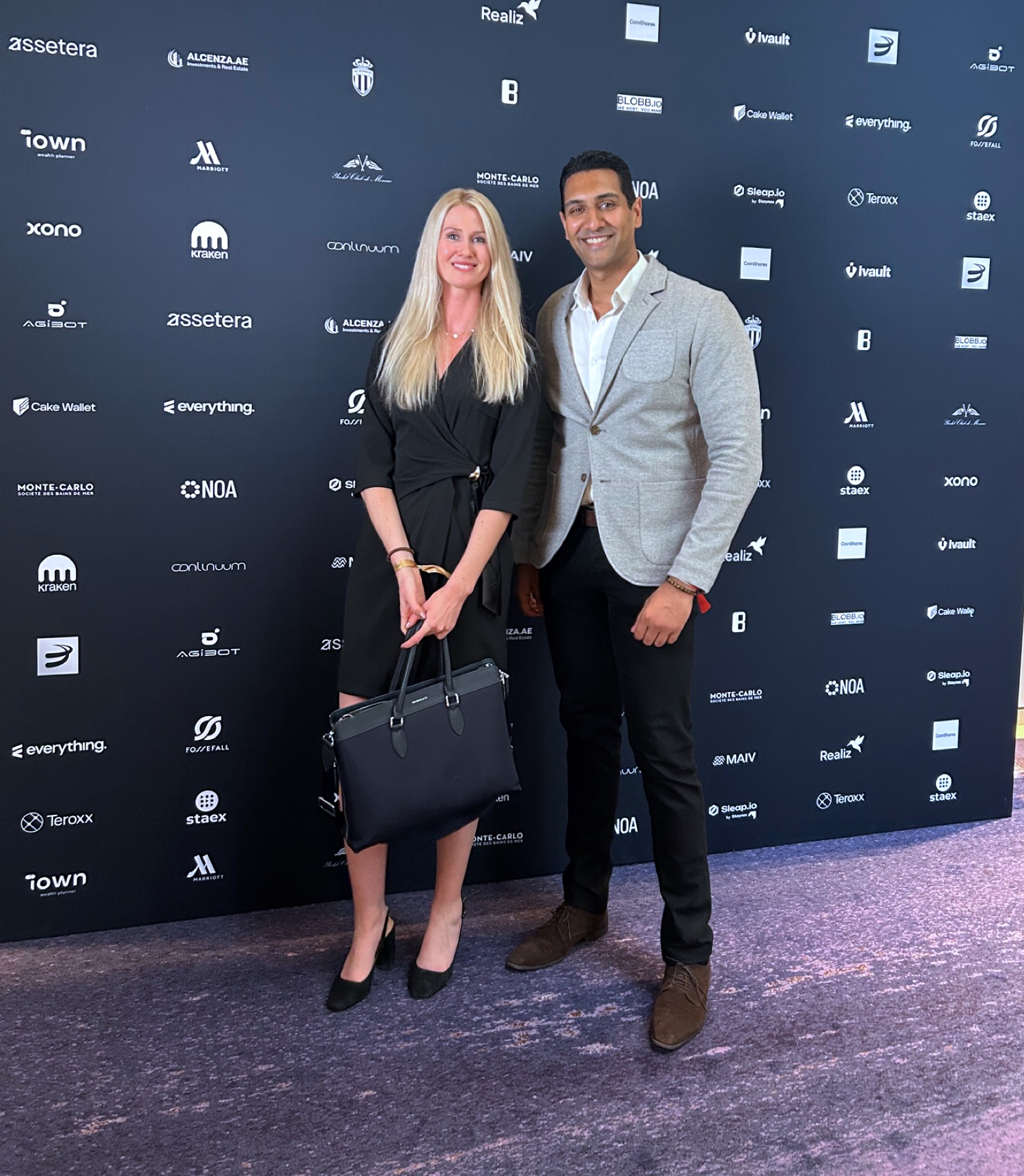
Alex, noted: “Making yourself memorable, yes, I always try to wear a dress or suit, also if I come directly from the airport.
But, remembering other people’s stories and details is perhaps one of the most important things about netWORKING… It can cost a bit of work and effort, inherently, but if genuine, it comes back full circle to asking questions and being interested rather than pitching yourself’.
She added: “Of course you don’t have time to talk with everyone at all times. Simply waving, tapping on someone's shoulder with a joke can also be enough to keep a cool connection going”.
End of the event? Let the feast continue, fast
Event’s finished. Then what?
What about the following up timing?
We agree with Maria, who said: “Follow up within a week with whatever action points came out of the conversation, while it's still fresh”.
Hasan said: “The biggest mistake many make is not following up. A conference usually runs for three days and three two nights [...] typically starting on a Tuesday and then ends on a Thursday. People oftentimes leave on the second conference day right after getting some meetings in, and head straight to the airport. When arriving late on Thursday afternoon or in the evening, no one is going to be checking their messages on Friday, as they themselves are sorting out all the leads.
This also means that Monday is the day for them to follow up, so while you can check in on for example Friday, don’t expect an immediate answer. It’s also important to be right on top of their mind and not wait too long to follow up, as the energy and buzz wear out after one week of getting back into their own daily hustle and bustle”.
And then? Deals?
Up to the next event on your agenda?
Alex said: “After an event, I personally do not immediately push for deals or meetings, perhaps only in exceptional circumstances where the boxes for trust and mutual value added somehow are already ticked. Unless you are a c-suite level exec with a lot of financial and decision-making weight behind you, I believe that for most people and businesses multiple human touch points, 2-3 on average I'd say, are needed for building trust and getting to deals. That’s why going to several events and meeting the same people again, repetitively, is pretty crucial”.
As Arjan ten Buuren, from Xablu Ventures Studio and an advisor to Thrilld Labs, also points out, "The strongest networks are built through consistency. What matters most is showing up, staying relevant and remaining connected between events".
Last but not least, did you totally miss someone during the event?
Hasan suggested: “You can always connect on LinkedIn with a copious message of, “Hey, tried meeting you at the XXX conference. How about a virtual coffee?'".
Same goes for the Thrilld networking app, by the way.
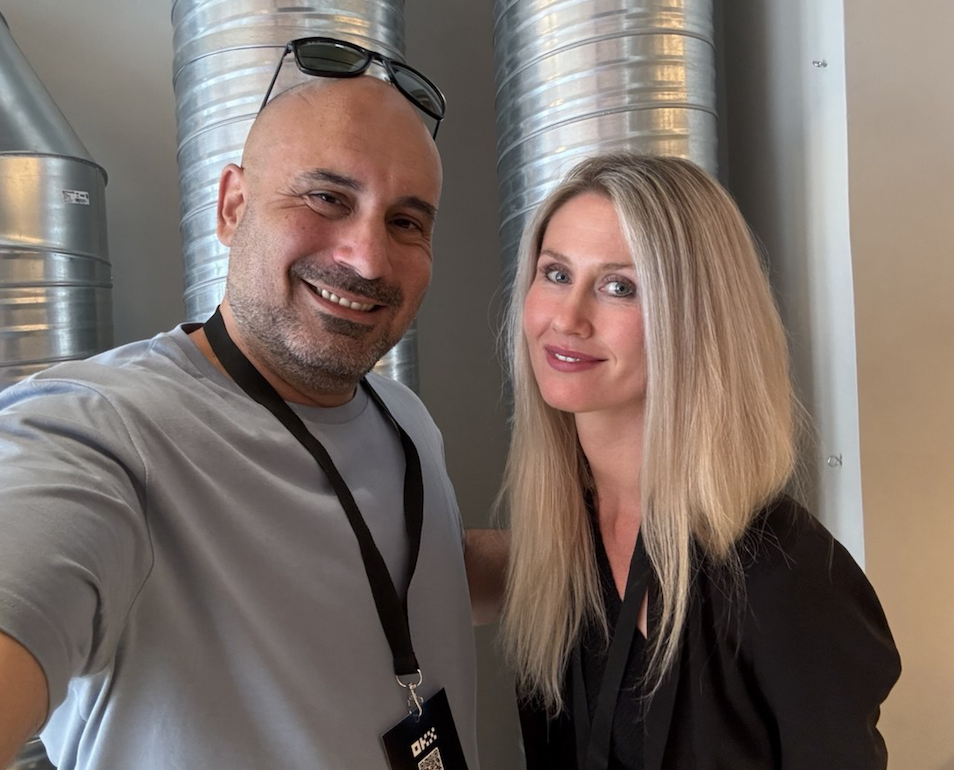
Final tip
Naturally, events are not only about networking.
But if you go to many of them, it kinda is, especially if you’re out for business.
As Maria put it: “Whether it's your company's product, or yourself as a professional, going to a conference means you're selling. Everyone knows it. Networking is simply the mechanism”.
Said that, the final tip from Paul is: “Networking is still allowed to be fun”.
Indeed. Nothing wrong with mixing business and a little thrill ;-).
