
EcstaSHE Spotlight: Laura Suárez León
In our latest EcstaSHE Spotlight, we spoke with Laura Suárez León, the co-founder and operations director at BlockCon Global, as well as the head of partnerships at SheCrypto and the Women in Bitcoin + Blockchain Fund. Laura has developed a Web3 career around turning high-stakes connections into actual partnerships, deal flow, and ecosystem growth. We asked about her take on competitive sports vs. business, on why the traditional conference model needs rethinking, and what changes she would like to see across the Web3 industry. Read on.
At Thrilld Labs, we believe that the future of our industry is built thanks to connections, expertise, and proactive collaboration, not in the last place amongst female professionals. That’s why we build EcstaSHE, a business group for female Web3-oriented professionals, leaders, and execs. Through the EcstaSHE Spotlight Series, we feature women across our network who build the industry. Let’s hear about their careers and business insights.
In this latest edition of the EcstaSHE Spotlight Series, we're thrilld to speak with Laura Suárez León, the co-founder and operations director of BlockCon Global, as well as the head of partnerships at SheCrypto and the Women in Bitcoin + Blockchain Fund.
Laura works right in the epicenter of Web3, digital assets, AI, partnerships, and operations, with a particular focus on turning high-level connections into meaningful partnerships, deal flow, and ecosystem growth. Through BlockCon Global, she is building a new kind of industry gathering designed around curated connections and real business outcomes, while her work with SheCrypto and the Women in Bitcoin + Blockchain Fund focuses more on expanding access, visibility, and opportunities across the blockchain ecosystem.
Laura also brings a competitive mindset to everything she does. Alongside building businesses in Web3, she has competed at some of the highest levels in sports, most recently winning bronze with the Spanish National Team at the Beach Ultimate World Championships.
Below, find what Laura had to share about building high-trust partnerships, why traditional conference formats are failing decision-makers, the practical role of AI and agents in her work, and what needs to change for Web3 to reach its full potential. Read on for her thoughts…
_______________________
What are you currently building or working on within the Web3 space?
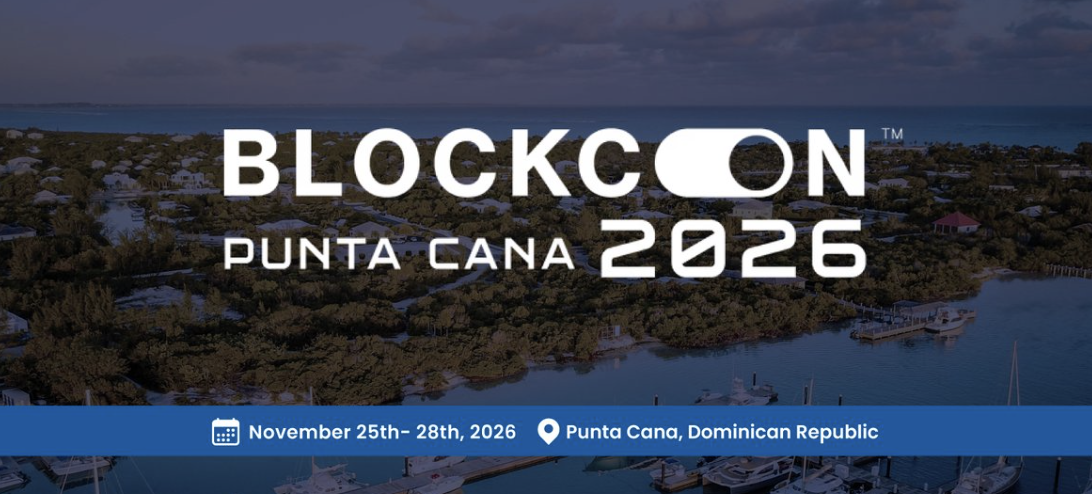
Through BlockCon Global, I'm building a high-trust Web3 business retreat hosted in an all-inclusive beachfront setting in Punta Cana, Dominican Republic this November 2026. It brings together decision-makers from finance, iGaming, and the digital economy to forge meaningful relationships that translate into real business outcomes.
At SheCrypto and the Women in Bitcoin + Blockchain Fund, I'm scaling partnerships that widen who gets access to deal flow and visibility in this industry.
What separates a great partnership from one that looks good on paper but doesn't create real impact or actual ROI?
My approach to dealmaking comes down to three rules:
- Identify real, reciprocal need.
- Build a pipeline for value, not (just) news.
- Create dependencies both sides would hate to lose.
Can you share with us why you started BlockCon, and what makes it different from other events out there?
We started BlockCon because we'd been to enough conferences to know the format was broken for the people who actually move things forward. Big industry events are optimised for volume while BlockCon is optimised for decision density.
My team and I are making the opposite bet: a smaller, curated gathering of decision-makers in finance, regulation, infrastructure, and digital policy, in a retreat setting in the Dominican Republic, built for real collaboration instead of just networking. By stepping off the noisy conference floor and into an exclusive tropical setting, we create a space for real conversations that lead to a completely different calibre of relationships.
You’ve also recently expanded into AI, optimising LLMs and AI agents for practical deployment. How do you actually use agents (or other types of AI) in your work? How would you explain this process to, say, someone who’s just getting started?
I use LLMs and agents mainly to compress the parts of my work that are repetitive but high-context, like partnership research, synthesising deal flow, and tracking ecosystem conversations across multiple projects at once.
The way I'd explain it to someone starting out is: don't think of AI as a tool that gives you answers; think of it as a tool you have to manage. You get value in proportion to how well you specify the task, give it context, and check its output.
You’ve competed at high-level sports competitions alongside building businesses in Web3. In what ways would you say competitive sports have given you an edge as an entrepreneur or leader? Are there lessons from one that directly apply to the other or perhaps overlap?
Sport has been one of my greatest teachers in entrepreneurship. Competing at a high level, and most recently taking bronze at the Beach Ultimate World Championships with the Spanish National Team, comes from years of physical preparation and mindset work. That builds the exact muscles I rely on in business: endurance when outcomes take time, commitment through discomfort, and resilience when things don’t go as planned.
As the saying goes: "Enthusiasm is common. Endurance is rare."
What's the most valuable business lesson you’ve learned, and how has it shaped the way you build companies, partnerships or teams?
That reputation isn't the same as commitment.
I’ve entered partnerships with strong, recognisable brands, the kind of names that look great on a deck. But the incentives underneath weren't aligned. The result was visibility without conversion, and a lot of operational wear on my side keeping it alive. That lesson changed how I evaluate every partnership since: if there's no skin in the game and no shared metrics from day one, it's not a partnership I'm necessarily interested in. Access is increasingly within reach. Alignment is what actually determines whether something converts.
What change would you like to see in the Web3 industry in the next few years?
Two things, honestly. First, more women in the rooms where capital and decisions actually get made. Not just on panels about inclusion, but running funds, sitting on boards, structuring deals.
Second, regulators who treat this industry with pragmatic flexibility rather than defaulting to restriction. If we don't solve these two issues, the market will simply cap its own potential.
_______________________
Thank you for your time, Laura.
***
Women like Laura are helping shape the future, not only by building in the industry, but by creating the spaces, partnerships, and opportunities that allow others to participate too.
To read more on how Web3 is bringing more female leaders to the surface or what we’ve called a Fifth Wave of Feminism… check out our article here → Women + Web3: About a Merit-Based Space, Some Systemic Challenges, & a Fifth Wave of Feminism.
Join EcstaSHE
EcstaSHE seeks to connect proactive female profesional in and around Web3 for networking and business collaborations.
EcstaSHE members get prioritized access to conference tickets where Thrilld Labs provides giveaways. We also actively build speaking gigs, interviews, and business opportunities (at times) provided by our partners, whilst we also publish articles and interviews about business topics. We welcome women from diverse backgrounds, experiences, and expertise levels
To learn more about EcstaSHE and how to get involved, read more here or apply here.
