
EcstaSHE Spotlight: Christina Macedo
In our latest edition of EcstaSHE Spotlights, we're excited to speak with Christina Macedo. Christina is the co-founder of ACTIO, an entrepreneur, technology executive, and advocate for innovation with more than 15 years of experience across gaming, SaaS, payments, digital infrastructure, and blockchain. Having faced both the opportunities and complexities of entrepreneurship firsthand, Christina brings an interesting perspective on innovation, resilience, and founder protection. So, what led her from a legal background into technology and Web3, and what lessons did she learn? Read on….

At Thrilld Labs, we believe that the future of Web3 is shaped by connectivity and ACTIOn-driven collaboration. That’s why we launched EcstaSHE, a business community for female Web3 professionals, leaders, and execs. We are thrilld to feature women in our network who are building the future of Web3. Through the EcstaSHE Spotlight Series, we share career tips and learnings from women across our network.
In this edition, we're excited to shine the spotlight on Christina Macedo, co-founder of ACTIO - a LegalFi platform that seeks to modernise litigation finance using blockchain technology - and CEO of PLAY, a gaming layer-0 protocol that helps Web2 studios run any game on any chain.
With over 15 years of experience spanning gaming, infrastructure, SaaS, payments, and blockchain, Christina is an entrepreneur, technology executive, and an advocate for innovation with an unconventional path; from studying law and preparing for a legal career to building technology companies.
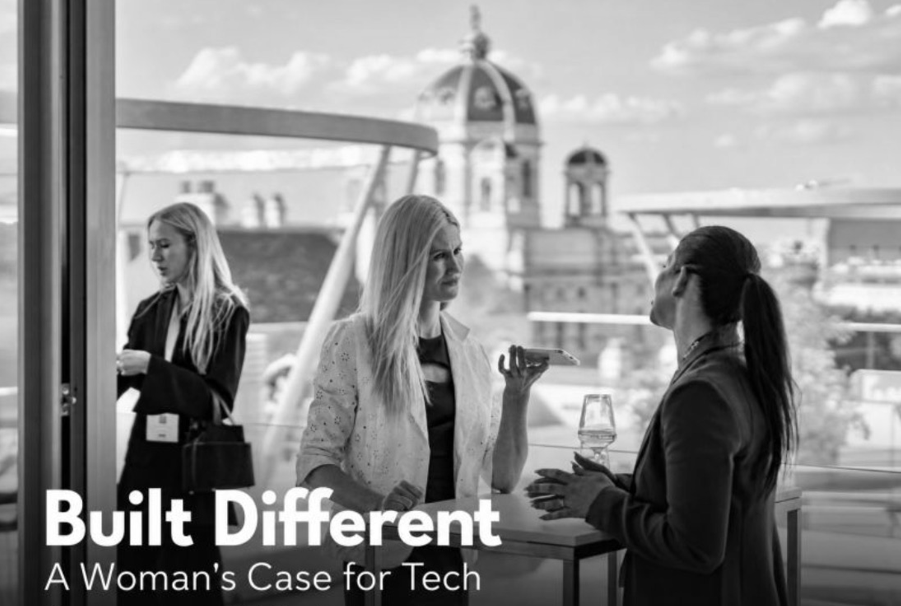
We spoke with Christina at VI3NNA Congress in Austria this past May. Find out below what she is currently building in the space and her most valuable business tips for growth.
What are you currently building or working on within the Web3 space?
My current focus is ACTIO, a platform bringing blockchain infrastructure to the litigation finance industry.
My path into this space was somewhat unexpected. I originally studied law and attended bar school, but I always felt drawn towards creative problem-solving and technology.
Over the years, I worked across gaming infrastructure, game engines and developer tooling before moving deeper into blockchain around 2021. During that time, I founded the PLAY Network, which focused on helping Web2 gaming studios adopt blockchain technology efficiently. While many projects were focused exclusively on supporting Web3-native studios, I saw a larger opportunity in solving real business problems for established gaming companies.
After becoming involved in complex litigation surrounding my previous venture, I was forced to learn firsthand how litigation finance works and how difficult it is for individuals and smaller investors to access. Through that process, I realised that legal claims themselves can be valuable assets, yet the industry remains highly fragmented, slow-moving, and inaccessible.
Coming from blockchain, I immediately recognised opportunities to improve payment rails, liquidity, transparency, and secondary market access. Rather than disrupting the industry entirely, my goal is to help it scale and become significantly more efficient.
What are your ambitions for the coming years? How do you see yourself making an impact?
My ambition is to modernise industries that have been historically difficult to access and slow to evolve. Whether it was gaming infrastructure or now litigation finance, the goal has remained the same: create tools that make systems more efficient, accessible, and scalable.
With ACTIO, I hope to open doors for a broader range of participants while helping modernise an industry that has remained largely unchanged despite its enormous potential. If blockchain can create greater accessibility, transparency, and efficiency, then we can unlock opportunities that previously weren’t available to most people.
Ultimately, I want to continue building products that solve real-world challenges rather than technology for technology’s sake.
What’s the most valuable business tip you’ve learned, and how has it impacted your growth?
I would offer two pieces of advice.
The first is for founders: protect yourself and your business by ensuring your legal infrastructure is in place from the beginning.
Startups move quickly, and it’s easy to postpone contracts, legal reviews, and governance structures because they don't feel urgent at the moment. However, those foundations are often what protect founders later on.
Investing in legal support may seem expensive in the early stages, but it is often one of the most important investments you can make. Your work, your vision, and your contribution deserves protection.
The second is for builders: never build something simply because you think it’s a great idea.
If you’re not solving a problem people are willing to pay for, you may not have a business. Too many products are created under the assumption that users will eventually arrive, but adoption only happens when you’re providing genuine value.
Before building anything, ask yourself one question: would someone willingly pay for this solution? If the answer is unclear, it may be time to revisit the idea or consider a pivot.
Tell us what advice you would give to women starting out in Web3.
One of the biggest challenges many women face is undervaluating their own contributions.
My advice is to recognise the value of your expertise and advocate for yourself throughout your career. Whether you’re negotiating investment terms, joining a startup, or building your own company, don't be afraid to ask questions, seek advice, and ensure your interests are represented.
It’s also important to surround yourself with people who genuinely support your growth. Not every investor, partner, or opportunity is the right fit. Finding the right collaborators can make an enormous difference, both professionally and personally.
What changes would you like to see in the Web3 industry?
I would like to see the industry find a healthier balance between innovation and structure.
In the early days of blockchain, there was tremendous experimentation, but often very little accountability. Projects raised substantial amounts of capital without clear frameworks or safeguards, which ultimately led to significant losses and reduced trust across the ecosystem.
Today, we’re seeing the opposite challenge. As traditional finance enters the space, there is increasing emphasis on regulation and control. While regulation can be beneficial, it shouldn’t come at the expense of user experience and innovation.
Too often, discussions focus on compliance while overlooking the needs of the people actually using these products. In a decentralised ecosystem, the end user is incredibly important. Adoption depends not only on regulation but also on intuitive design, accessibility, and trust.
I hope to see both worlds come together: the innovation and experimentation that made blockchain exciting in the first place, combined with the maturity and safeguards needed for long-term growth.
Anything else you’d like to mention that we didn’t ask?
One thing I’ve learned throughout my career is that some of the most valuable opportunities come from unexpected challenges.
Many of the experiences that ultimately led me to building ACTIO weren’t part of the original plan. They emerged from difficult situations that forced me to learn, adapt, and rethink how certain industries operate.
Innovation often comes from seeing problems differently. Sometimes the most impactful businesses are built not because everything went right, but because you found a better solution after things went wrong.
_______________________
Thank you, Christina!
***
Web3 is bringing about a new world. What kind of world? An open, decentralized space where trustless tech thrives, individuals innovate, and communities continue to collaborate, we’d argue with some added alliteration.
Women like Christina are leading the way. We want you to join us in building that future. Whether you’re just starting out or are already in the space for a decade, EcstaSHE offers a space to connect, collaborate, and share in opportunity.
To read more on how Web3 is bringing new opportunities for women, and we might even add, brings about Fifth Wave of Feminism… check out our article here → Women + Web3: About a Merit-Based Space, Some Systemic Challenges, & a Fifth Wave of Feminism.
Join EcstaSHE
EcstaSHE seeks to connect action-oriented, professional female decision-makers in and around Web3 to enable networking and business collaborations. To this end, EcstaSHE offers regular sessions with panel discussions or fire chats, a siloed networking environment, newsletters, and other growth possibilities.
EcstaSHE members get prioritized access to conference tickets where Thrilld Labs provides giveaways. We also actively build speaking gigs, interviews, and business opportunities (at times) provided by our partners, whilst we also publish articles about business topics. We welcome women from diverse backgrounds, experiences, and expertise levels
To learn more about EcstaSHE and how to get involved, read more here or apply here.
